
Vampyr
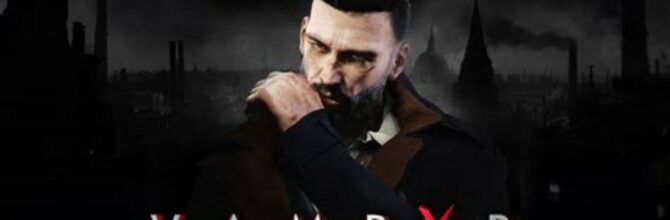
In 2017, I joined what would later become a team of 4 sound designers on Vampyr at DONTNOD Entertainment. Set in flu-stricken 1918 London, the game casts you as Dr. Jonathan Reid, a physician turned vampire wrestling with his monstrous instincts. Its moral-choice system and bleak atmosphere earned strong reviews, with Olivier Derivière‘s cello-driven score singled out as a standout.
My role spanned creative implementation, systems work, and tool-building.
Music Integration: Flow Over Interruption
I handled Wwise integration for Derivière’s adaptive soundtrack. The music shifts with exploration, enemy type, and conversation intimacy, but abrupt changes break immersion. My focus was preserving that emotional through-line. I ensured the score felt responsive without ever sounding stitched together. That meant carefully tuning transition zones, layering intensities, and letting the cello’s mournful voice carry the dramatic weight even during gameplay spikes.
Combat, Powers and Creature voices
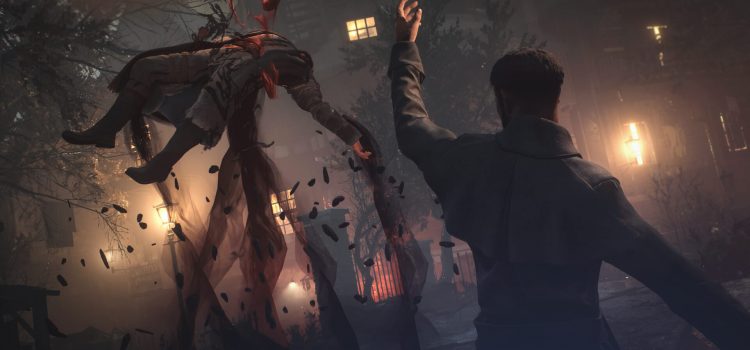
Another part of my work included design and implementation of combat audio and the player’s special abilities, including shadow stealth, heightened senses, and blood-based attacks. Each power needed distinct, readable feedback. Using Wwise’s real-time controls, I tuned impact layers, tail decays, and pitch variations so every strike and supernatural cast felt the weight it deserved.
Fun fact: part of the Ghouls combat barks are my own voice, which I still find mildly unsettling.
Propagation System Overhaul
As a technically oriented audio designer, I spent considerable time supervising upgrades to our in-house sound occlusion and propagation system. Working directly with our audio programmer, we improved how sound traveled through dense urban geometry, handling occlusion, propagation and diffusion through doors and alleys. The goal was authentic acoustics for 1918 London: muffled street noise behind stone walls, distant footsteps echoing off wet pavement, all reinforcing the city’s oppressive atmosphere.
Rhythm Band Tool for ADR
One practical challenge involved syncing our final recorded voices with earlier motion-capture placeholder takes during cutscenes. To solve this, I built a tool that generated rythmo bands, visual timing guides where script lines scroll in time with picture, helping voice actors match their delivery to existing on-screen performances. Working from Reaper regions and script data, the tool automated what would otherwise have been a manual, error-prone process. It cut ADR turnaround significantly and kept our dialogue locked to the original mocap timing.
Takeaway
Vampyr asked for both creative instinct and systems rigor. From shaping the interactive music experience to re-engineering audio propagation and streamlining dialogue workflows, I learned how much of a sound designer’s impact lives below the surface in the code, the middleware, and the small tools that keep the team moving.


